

Adopting Sustainable Farming Practices in Kenya
- Clifford Omuyoma

- Oct 23, 2025
- 4 min read
Updated: Nov 3, 2025
Kenya stands at a crossroads. With a growing population and increasing pressure on natural resources, the way we farm today will shape the future of our land, our economy, and our communities. Have you ever wondered how adopting eco-friendly farming techniques could transform agriculture here? The answer lies in embracing innovative, responsible methods that protect the environment while boosting productivity. This is not just a choice; it is a necessity.
Why Eco-Friendly Farming Techniques Matter in Kenya
Kenya’s agriculture sector is the backbone of its economy, employing over 70% of the rural population. Yet, traditional farming methods often lead to soil degradation, water scarcity, and loss of biodiversity. These challenges threaten food security and livelihoods. Eco-friendly farming techniques offer a solution by promoting practices that conserve resources, reduce pollution, and enhance soil health.
By adopting these techniques, you can:
Improve soil fertility naturally without relying heavily on chemical fertilizers.
Conserve water through efficient irrigation methods.
Reduce greenhouse gas emissions by minimizing synthetic inputs.
Enhance biodiversity by integrating crop diversity and natural pest control.
Increase resilience to climate change impacts.
Imagine a farm where the soil is rich, the water is clean, and the crops thrive without harming the environment. This vision is achievable through eco-friendly farming techniques.

How Technology Supports Eco-Friendly Farming Techniques
Technology is a game-changer in modern agriculture. In Kenya, digital tools and smart solutions are helping farmers optimize resources and make informed decisions. From soil sensors to mobile apps, technology enables precision farming that reduces waste and maximizes yields.
For example:
Soil testing kits help determine nutrient levels, guiding the right fertilizer application.
Drip irrigation systems deliver water directly to plant roots, saving up to 60% of water compared to traditional methods.
Weather forecasting apps allow farmers to plan planting and harvesting around rainfall patterns.
Drones and satellite imagery monitor crop health and detect pest outbreaks early.
These innovations empower you to farm smarter, not harder. They align perfectly with eco-friendly farming techniques by promoting efficiency and sustainability.

What are the sustainable agriculture practices in Kenya?
Kenya has embraced several sustainable agriculture practices that are making a real difference on the ground. These practices focus on maintaining productivity while protecting the environment and supporting communities.
Some key practices include:
Agroforestry
Integrating trees with crops and livestock improves soil structure, provides shade, and enhances biodiversity. Trees also act as carbon sinks, helping mitigate climate change.
Crop Rotation and Intercropping
Rotating crops and planting multiple species together reduce pest pressure and improve soil nutrients naturally.
Organic Farming
Using compost, manure, and natural pest control methods reduces chemical use and promotes healthier ecosystems.
Conservation Agriculture
Minimal soil disturbance, permanent soil cover, and crop diversification help prevent erosion and maintain soil moisture.
Water Harvesting and Management
Techniques like rainwater harvesting and building terraces conserve water and reduce runoff.
Integrated Pest Management (IPM)
Combining biological, cultural, and mechanical methods to control pests reduces reliance on harmful pesticides.
By adopting these methods, you contribute to a farming system that is productive, resilient, and environmentally sound.
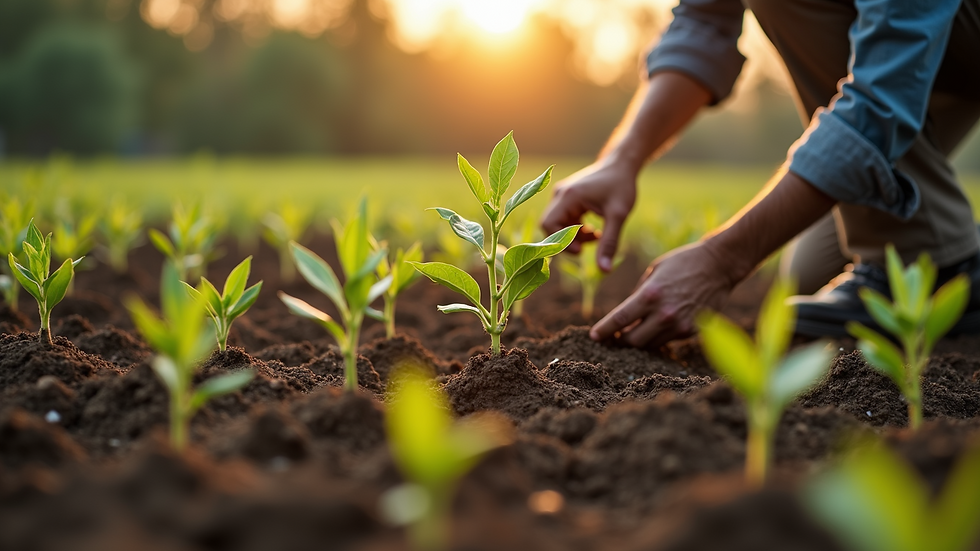
Practical Steps to Implement Eco-Friendly Farming Techniques
Transitioning to eco-friendly farming techniques may seem daunting, but breaking it down into manageable steps makes it achievable. Here’s how you can start:
Assess Your Farm’s Current Practices
Identify areas where you can reduce chemical inputs, improve water use, or diversify crops.
Start Small
Implement one or two practices first, such as composting or drip irrigation, and expand gradually.
Seek Training and Support
Join local agricultural extension programs or farmer groups to learn best practices and share experiences.
Leverage Technology
Use digital tools for soil testing, weather updates, and pest monitoring to make data-driven decisions.
Monitor and Adapt
Keep records of changes and outcomes. Adjust your methods based on what works best for your farm.
Collaborate with Experts
Engage with agronomists, environmentalists, and tech providers to optimize your approach.
Remember, adopting eco-friendly farming techniques is a journey, not a one-time event. Each step you take builds a stronger, more sustainable future.
The Role of Digital Solutions in Kenya’s Agricultural Transformation
Digital transformation is reshaping agriculture in Kenya. Companies like Fastech Digital Solutions are leading the way by providing cutting-edge tech solutions tailored to the needs of farmers, businesses, and communities. Their focus on smart agriculture solutions helps integrate technology with sustainable practices, making farming more efficient and environmentally friendly.
By embracing these digital tools, you can:
Access real-time data on soil health and weather conditions.
Connect with markets and buyers through online platforms.
Receive expert advice via mobile apps.
Automate irrigation and fertilization processes.
This integration of technology and eco-friendly farming techniques is essential for Kenya’s agricultural future. It empowers you to increase productivity while safeguarding natural resources.
Moving Forward: Your Role in Kenya’s Sustainable Agriculture Future
The future of farming in Kenya depends on the choices you make today. By adopting sustainable farming practices, you become part of a movement that values the environment, supports communities, and drives economic growth. It is a commitment to farming that respects the land and ensures food security for generations to come.
Ask yourself: Are you ready to embrace eco-friendly farming techniques? Are you prepared to lead the change that Kenya’s agriculture sector needs? The tools, knowledge, and support are available. The time to act is now.
Together, we can build a resilient, prosperous agricultural landscape that benefits everyone.


Comments